

Selecting High-Quality Refurbished Lab Equipment: Choosing Refurbished Lab Gear

Selecting lab gear is critical. The right tools make the difference. Quality matters. Cost matters. Reliability matters. Refurbished lab gear offers a balance. It saves money. It delivers performance. But only if chosen carefully.
Why Choosing Refurbished Lab Gear Makes Sense
Labs need precision. Medical facilities demand accuracy. Industrial companies require durability. New equipment can be costly. Budgets are tight. Refurbished lab gear offers a solution.
Cost savings up to 50% or more
Access to high-end models otherwise unaffordable
Reduced lead times compared to new orders
Environmentally friendly - less waste
Choosing refurbished gear means getting value without compromise. But quality varies. Not all refurbished equipment is equal. Knowing what to look for is key.

Key Factors in Choosing Refurbished Lab Gear
Focus on these essentials:
Certification and Testing
Equipment must be fully tested
Calibration to original specs
Certification from trusted refurbishers
Warranty included
Condition and Age
Check manufacturing date
Inspect for wear and tear
Confirm parts replaced or repaired
Avoid outdated technology
Supplier Reputation
Choose suppliers with proven track records
Look for customer reviews and testimonials
Verify after-sales support and service options
Compatibility and Specifications
Ensure equipment fits your lab’s needs
Confirm software and hardware compatibility
Check power and safety standards compliance
Documentation and Support
Request manuals and calibration certificates
Confirm availability of spare parts
Ask about repair and maintenance services
How to Inspect Refurbished Lab Equipment
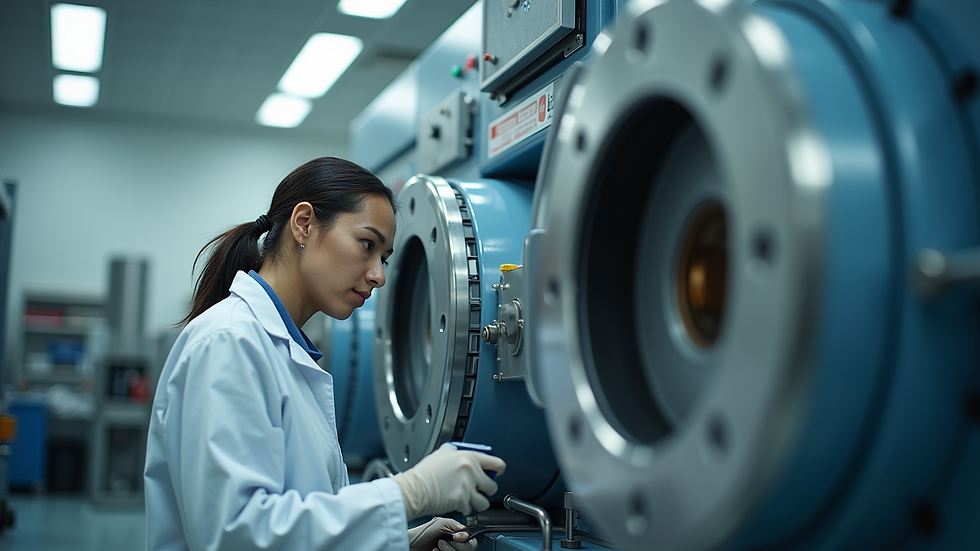
Inspection is vital. Here’s a checklist:
Visual inspection for damage or corrosion
Functional testing of all features
Calibration verification
Software and firmware updates
Check for missing accessories or parts
Confirm warranty terms and return policy
Request a demonstration if possible. Ask for detailed reports. Don’t accept vague assurances.
Benefits of Partnering with a Trusted Supplier
A reliable supplier simplifies the process. They provide:
Transparent condition reports
Certified refurbishment processes
Technical support and training
Flexible financing options
Repair and maintenance services
This partnership ensures your lab equipment stays operational longer. It reduces downtime. It maximizes return on investment.
Final Thoughts on Selecting Refurbished Lab Equipment
Choosing refurbished lab gear requires care. Focus on certification, condition, and supplier reputation. Inspect thoroughly. Demand documentation. Partner with trusted suppliers.
By following these steps, labs, medical facilities, and industrial companies can secure high-quality, cost-effective equipment. This supports research, diagnostics, and production without compromise.
For those seeking reliable options, consider exploring refurbished lab equipment from reputable sources. It’s a smart choice for quality and savings.
Invest wisely. Equip confidently. Keep your lab running at its best.


Comments