

Repairing ReScience Equipment: Practical Equipment Repair Solutions

Equipment breaks down. It happens. In labs, medical facilities, and industrial settings, downtime costs money. Repairs keep things moving. I focus on practical steps. Clear, direct, and effective.
Understanding Equipment Repair Solutions
Repairs start with knowing the equipment. Scientific and analytical tools vary. Each has unique parts and functions. Understanding these is key.
Identify the problem quickly.
Check manuals and schematics.
Use proper tools for diagnostics.
For example, a spectrometer might show erratic readings. The cause could be a dirty lens or a faulty sensor. Cleaning or replacing parts solves the issue. Simple steps first. Complex fixes later.
Equipment repair solutions include:
Routine maintenance
Part replacement
Calibration
Software updates
These keep equipment reliable. Preventive care reduces breakdowns. Regular checks catch issues early.

Tools and Techniques for Effective Repairs
Having the right tools matters. Basic toolkits include screwdrivers, multimeters, and cleaning supplies. Advanced repairs may need oscilloscopes or soldering irons.
Techniques to follow:
Power down equipment before work.
Document each step.
Use anti-static mats and wristbands.
Replace parts with OEM or certified alternatives.
Test after each repair phase.
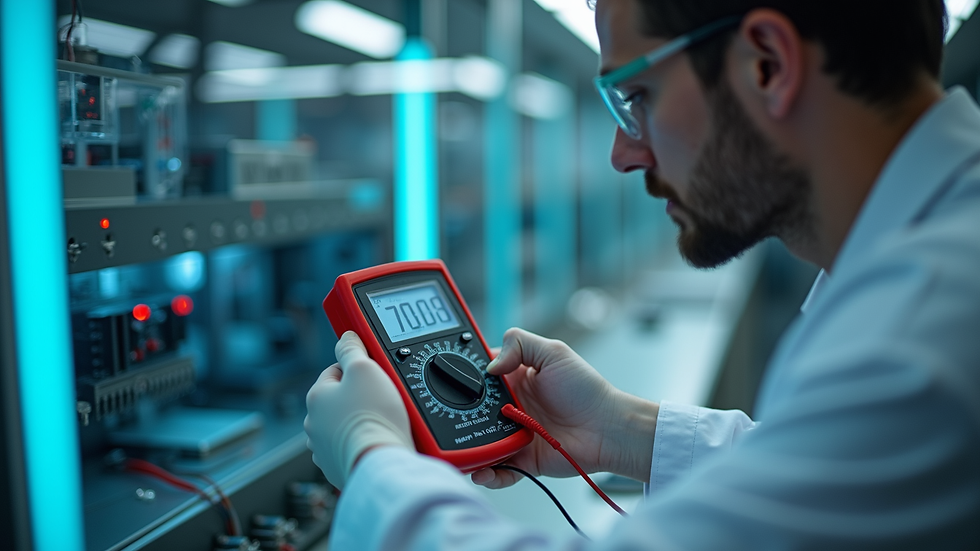
Example: A centrifuge motor fails. I check wiring with a multimeter. Loose connections get tightened. If the motor is damaged, I replace it with a certified part. Then, I run a test cycle.
Keep a repair log. It helps track recurring problems. It also supports warranty claims.
When to Repair or Replace Equipment?
Deciding between repair and replacement is critical. Consider:
Age of equipment
Cost of repair vs. replacement
Availability of parts
Impact on lab operations
If repair costs exceed 50% of replacement price, replacement may be better. Old equipment may lack support or parts. Newer models offer better performance and features.
Example: An outdated chromatograph breaks down frequently. Repair costs rise. Replacing it with a newer model improves accuracy and reduces downtime.
However, some equipment is expensive or custom-made. Repairing may be the only option. In these cases, focus on quality repairs and preventive maintenance.
Steps to Perform a Successful Repair
Follow a clear process:
Diagnose: Identify the exact fault.
Plan: Gather tools and parts.
Disassemble: Carefully open equipment.
Repair: Fix or replace faulty components.
Reassemble: Put everything back correctly.
Test: Run full diagnostics.
Document: Record the repair details.
Safety is paramount. Use protective gear. Follow manufacturer guidelines.
Example: Repairing a pH meter probe involves cleaning, checking the electrode, and replacing if needed. Testing ensures accurate readings before returning to service.
For complex repairs, consult experts or use rescience equipment repair services. They offer specialized knowledge and parts.
Maintaining Equipment to Avoid Future Repairs
Maintenance reduces repair needs. Simple habits extend equipment life:
Clean regularly.
Calibrate as recommended.
Store properly.
Monitor performance.
Train users on correct operation.
Create a maintenance schedule. Assign responsibilities. Use checklists.
Example: A medical lab schedules weekly cleaning and monthly calibration for its analyzers. This prevents buildup and drift, ensuring reliable results.
Investing time in maintenance saves money. It avoids emergency repairs and downtime.
Final Thoughts on Equipment Repair Solutions
Repairs keep labs and facilities running. They save costs and extend equipment life. Know your tools. Follow clear steps. Decide wisely when to repair or replace.
Use quality parts. Document everything. Maintain equipment regularly.
For specialized needs, trust professionals. They provide expert rescience equipment repair and support.
Stay proactive. Keep equipment ready. Keep research and operations moving forward.

Comments